Quiet Pressure Cooking Noise Reduction for Apartments
By Nia Mbatha • 6th Sep
What to do
Yes, pressure cookers can make normal noise, but a practical way to reduce avoidable noise is to plan the release rather than muffle the appliance.
- Start with: Identify whether your cooker is stovetop or electric and which release method the recipe requires.
- Then: For a stovetop cooker, lower the heat after pressure is reached only as your manual directs, aiming for gentle regulation rather than wild rattling.
- Important prerequisite: Never cover, block, hold, or alter the valve or steam path. Respect fill limits, keep hands and face away from escaping steam, and do not force a lid that resists opening.
Important: The material considered here does not provide a standardized pressure-cooker decibel comparison or apartment-specific placement fix. Unfamiliar noise, leakage, or behavior that conflicts with the manual requires model-specific guidance—not muffling.
Quiet pressure cooking is less about finding a supposedly silent appliance and more about choosing the least disruptive safe workflow for the food and cooker you have. These low noise pressure cooker tips focus on the sounds you can anticipate (especially stovetop regulation and steam release) without blocking a vent, altering a valve, or trading safety for a quieter kitchen. In a small apartment, that predictability matters: clarity is kindness to you, your household, and the neighbors on the other side of a thin wall.
For safe operation, follow your cooker's specific pressure-release instructions rather than relying on a general discussion of a sealed pressure system. The useful goal is not zero sound; it is reducing avoidable noise, planning the louder moments, and knowing when a sound deserves attention.
Do pressure cookers make noise when cooking?
Yes, they can. The sound depends on the cooker type and the stage of cooking.
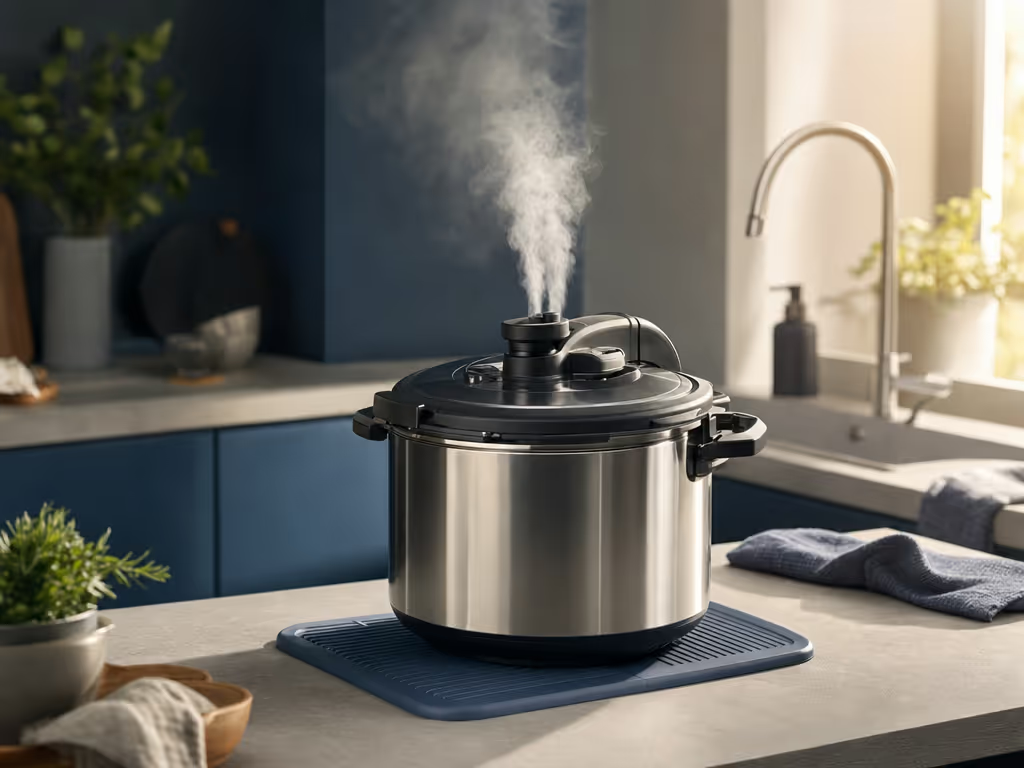
- Conventional stovetop cookers may hiss or whistle when their regulator reaches high pressure. A steady, restrained sound can be part of normal regulation for that style of cooker.
- Electric pressure cookers can become most conspicuous at quick release, which creates a strong jet of steam from the release valve.
- Natural release on an electric cooker begins without that initial steam jet. It is often the less abrupt option acoustically, but it is not automatically the right option for every recipe.
This distinction is more useful than chasing unverified pressure cooker sound levels. The material considered here does not provide credible standardized pressure-cooker dB measurements or a comparison method. Without a disclosed measurement method and operating condition, a noise number is not a sound basis for comparing cookers.
Hard kitchen surfaces—including tile, granite, and stainless steel—can reflect sound and contribute to echo, while softer materials absorb sound and limit its travel. That helps explain why a cooker may feel louder in one kitchen than another, but it does not prove that a countertop pad, towel, or placement trick safely reduces pressure-cooker noise. If counter space is also limited, a guide to space-saving pressure cookers for small kitchens can help you evaluate footprint and storage without compromising safe ventilation.
What is the quietest safe release strategy?
Natural release is quieter at the start, but it changes the cooking timeline
For electric pressure cooking, natural release has no initial jet of steam. If your recipe specifically allows natural release, this can avoid the sudden rush associated with quick release.
The tradeoff is time and continued cooking. Natural release may take roughly 5 to 30 minutes, depending on the ingredients and amount of liquid, and the food keeps cooking as pressure falls. That can be welcome for a recipe designed for it, but it can also change cooking results and timing when a recipe calls for quick release.
So the quiet decision is simple:
- Follow the recipe's intended release method first.
- If it permits natural release, factor the extra waiting time into dinner plans.
- If quick release is required, schedule that brief, louder stage for a moment when you can give it your full attention.
Ease-of-use is a safety feature, not a luxury.
During quick release, keep hands and face away from the steam path. Do not release steam beneath hanging cabinets that could be damaged by it. Most importantly, do not cover, hold, obstruct, or modify the release route to muffle the sound. A quieter jet is not worth an unsafe vent.
A lid that resists opening is not a noise problem to solve
If the lid is difficult to remove, treat that resistance as a sign the cooker may still be pressurized. Do not force it. Wait until pressure has released according to your cooker's instructions.
That is the kind of detail spec sheets skip. I once learned more handling a new lid with winter gloves on than from its feature list; my aunt's arthritis has been an even better measure of what "easy" means. A control or lid that asks for force when you are tired is not an ergonomic quirk. It is a stop sign.
How can I reduce stovetop whistle or hiss safely?
Lower the heat after pressure is reached
For a conventional stovetop regulator, general guidance is to lower the burner once pressure is reached so the cooker maintains a gentle jiggle or hiss, rather than a wild rattle. This is the most grounded form of pressure cooker noise reduction because it addresses excess heat rather than trying to silence the valve itself.
It is not an instruction to eliminate normal regulation sounds. That general guidance is not universal, so use your cooker manual as the authority for how your model should operate.
Use sound as a prompt, not a diagnosis
For a stovetop pressure cooker, general guidance identifies heat that may be too high or insufficient liquid as possible contributors to excess steam or unusually vigorous whistling. Those are possibilities, not a complete diagnosis. If a sound is unfamiliar, irregular, or paired with leakage, stop relying on general advice and consult your model's manual or manufacturer support. For step-by-step help with pressure cooker steam leaks and other pressure problems, use a model-specific troubleshooting guide rather than trying to muffle the sound.
Do not improvise with a towel over the lid, a cover around the valve, or a hand-held barrier. Steam release must remain unobstructed. Liquid emitted from a pressurized cooker can be hazardous in any amount and in any direction.
What apartment pressure cooking habits make the biggest difference?
The practical win is timing and routine, not risky DIY soundproofing.
Build the release into your total meal time
A recipe's programmed cook time is not always the time when food is ready to serve. Add the pressure-release stage to your plan, particularly if you are using natural release. This reduces the pressure to quick-release food simply because everyone is waiting.
Give the cooker a clear, calm operating period
If a quick release is part of the recipe, keep hands and face away from the steam path, and do not release beneath hanging cabinets that could be damaged by steam.
Keep the workflow readable
Before cooking, pause for a short check:
- Confirm the lid and release control are used exactly as your model directs.
- For electric pressure cookers, CPSC staff's proposed instruction wording says not to fill beyond the marked maximum pressure-cooking line at two-thirds full; follow your specific cooker's manual.
- In that proposed electric-pressure-cooker wording, foods that expand during cooking should stay at or below one-half full; follow your specific cooker's manual.
- Use the release method called for by the recipe.
For electric pressure cookers, CPSC staff's proposed instruction wording notes that overfilling with expanding foods can clog the vent pipe and develop excess pressure. A short, visible routine prevents the kind of rushed mistake that can turn a normal hiss into a stressful kitchen moment.
FAQ: Should a pressure cooker be whistling?
A conventional stovetop cooker may hiss or whistle when high pressure is reached. That description is not universal, so check your cooker's manual rather than comparing it with a friend's cooker or a video online.
General stovetop guidance favors a gentle jiggle or hiss rather than a wild rattle. If behavior is unfamiliar or accompanied by leakage, consult the manufacturer's instructions for your model. With a standard stovetop setup, reduce heat after pressure is reached to maintain gentler regulation. If the behavior remains concerning or does not match the manufacturer's instructions, seek model-specific guidance.
FAQ: Why is my pressure cooker making a lot of noise?
For a stovetop cooker, general guidance identifies heat that may be too high or insufficient liquid as possible contributors to excess steam or whistling. Turn to your manual for the required liquid and normal operating behavior for your model.
For an electric cooker, identify the stage first. A strong rush during quick release is expected because that method sends out a steam jet. An unexpected noise, visible leakage, or any behavior you cannot match to the manual calls for consulting the manual or getting manufacturer support, not an online workaround.
FAQ: Can I cook without a whistle?
Do not try to disable or muffle a stovetop cooker's normal regulator sound. A stovetop pressure-cooker regulator may hiss or whistle when high pressure is reached.
With an electric cooker, natural release has no initial steam jet, which can make the release stage less abrupt. It can take roughly 5 to 30 minutes, and food continues cooking as pressure falls, so use it only when the recipe and cooker instructions support it. It is a cooking choice first, a noise choice second.
FAQ: What is the most common pressure-cooker problem to prevent?
One clear preventable risk is overfilling, especially with foods that expand. For electric pressure cookers, CPSC staff's proposed instruction wording says to follow the marked fill guidance and keep expanding foods no more than half full; follow your specific cooker's manual. That proposed wording explains that this helps prevent clogging of the vent pipe.
For day-to-day comfort, the other preventable problem is confusing normal operation with a fault. Learn your own cooker's lid, release control, and expected sounds in daylight, without a rushed meal deadline. A valve that hisses like a train deserves a workflow adjustment, not panic, and never unsafe muffling.
Further exploration: make "quiet" a planning standard
For your next apartment meal, write down just three things: the cooker type, the intended release method, and the total time including release. After two or three uses, you will have a personal sound-and-timing map that is more useful than generic claims about quiet models.
If noise is still disruptive, explore your specific cooker manual and manufacturer support before changing anything about the valve, lid, or vent. The best low-noise routine is the one that remains clear, clean, and safe every time.
Related Articles