Pressure Cooker Potatoes and Roots: Times, Texture, Safety
By Samira Haddad • 3rd Oct
Quick answer
For mashed potatoes, pressure-cook time depends on the complete method—not a universal timer. Use either 5 minutes at high pressure for uniform quartered potatoes in a steamer basket, followed by quick release, or 10 minutes for 2-inch pieces cooked with broth, followed by a 5-minute natural release and quick release.
- Key distinction: These methods differ in cut size, liquid placement, cooking time, and release. Do not combine details from one with the timer from the other.
- Texture: Uniform pieces and gentle mashing help limit gummy results.
- Safety: Follow the exact cooker manual for minimum liquid, fill limits, and release instructions. Quick release can increase splatter risk with starchy or liquid-heavy foods; never force the lid open.
Important: These timings are recipe-specific mashed-potato methods, not a universal chart for whole potatoes, sweet potatoes, carrots, beets, or other roots.
Pressure cooker potatoes can be fast and dependable, but only when the time, cut size, liquid placement, and release method belong to the same method. That is especially important with pressure cooking potatoes for mash: a five-minute basket-steamed method and a ten-minute no-drain method can both work, yet they should be kept as separate recipe methods. The practical rule is simple: pause, check, proceed.
This guide focuses on making mashed potatoes and on the safety habits that apply before cooking potatoes or other roots. For broader guidance on preserving color, nutrients, and texture when cooking roots and other vegetables, see our vegetable texture guide. It does not offer a universal timetable for whole potatoes, sweet potatoes, carrots, beets, parsnips, or other pressure cooker root vegetables. This guide does not establish times for those foods; begin with a recipe written for the vegetable and the manual for the cooker in front of you.
Safety is a sequence you practice, not a warning sticker.
FAQ: How long should potatoes cook in a pressure cooker?
There is no single, reliable answer for every potato size, cooking liquid, or intended texture. Here are two reliable pressure cooker methods for mashed potatoes. Treat each as a complete method, not as a loose timer to apply to another setup.
Method 1: Basket-steamed potatoes for a lighter mash
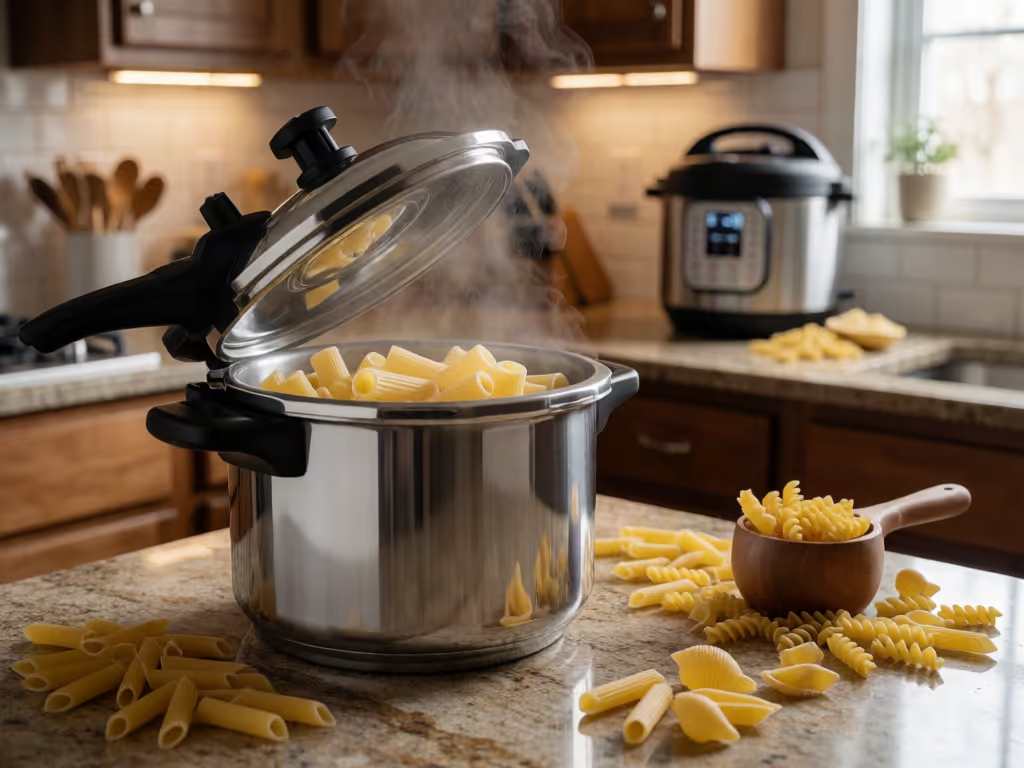
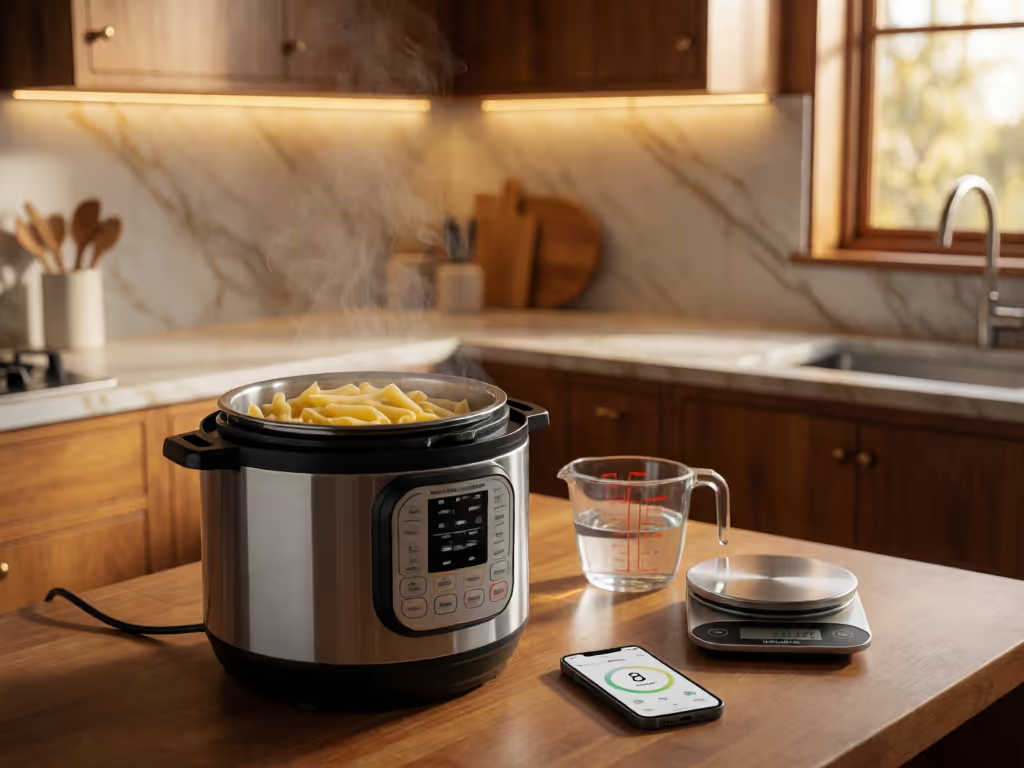
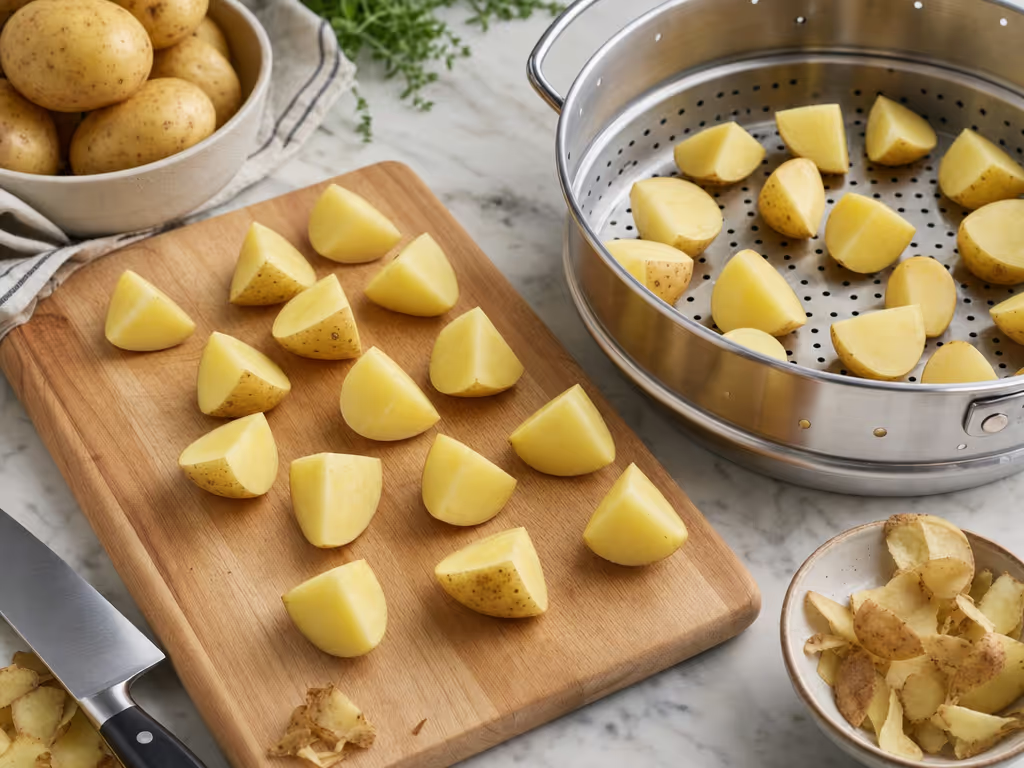
One recipe method uses approximately 2 pounds of peeled russet potatoes, cut into uniform quarters. Place 1 cup water in the cooker, set the potatoes in a steamer basket above the water, cook at high pressure for 5 minutes, then use a quick release.
Because the potatoes cook above the water, this method uses lower water content and is more likely to produce a light, fluffy mash. Food thickness makes one of the biggest differences in pressure cooking, so the quarters should be genuinely similar in size.
This is a useful choice when you want to control the dairy and seasoning after cooking. Drainage is not part of the process because the potatoes are held above the water.
Method 2: No-drain potatoes for a more integrated base
A different recipe method uses 3 pounds of peeled russet potatoes cut into 2-inch pieces, cooked directly with 1¼ cups broth. It calls for 10 minutes at manual/high pressure, followed by a 5-minute natural release and then quick release of remaining pressure.
Here, the broth remains with the potatoes rather than being drained. In this method, an immediate quick release can still give acceptable results. That is a recipe-level option, not a blanket rule for every starchy dish.
The important distinction
The five-minute and ten-minute methods differ in four material ways:
- Cut: quarters versus 2-inch pieces
- Liquid placement: below a basket versus mixed with the potatoes
- Cook time: 5 versus 10 minutes
- Release: immediate quick release versus a short natural release followed by quick release
Do not combine the shorter time from one with the cut, liquid arrangement, or release plan from the other. The two recipes are documented as separate complete methods rather than one universal recommendation. Select one full process and repeat it before making changes.
FAQ: Why do pressure-cooked potatoes sometimes turn gluey?
Mashed potato texture is largely a matter of starch, water, and mechanical handling. The molecular science of pressure cooking explains why starch gelatinizes when heated in the presence of water: the granules swell and their structure changes. The degree of that change is affected by the starch source, heating rate, water content, and prior processing.
For the cook, that science becomes three practical controls.
1. Cut evenly
Uniform pieces are the first defense against uneven doneness. With boiled mashed potatoes, thicker pieces can overcook at the surface while their centers finish softening, which can contribute to sticky gel and a gluey mash. Even though that example comes from boiling rather than pressure cooking, the underlying lesson is sound: avoid a pot full of mixed thicknesses.
2. Choose a texture goal before choosing a method
Russets are high-starch potatoes that tend to make a fluffy mash. Yukon Gold potatoes are butterier and less fluffy. Those are useful starting descriptions, not a promise that one potato will correct an inconsistent process.
- Choose the basket-steamed method when your priority is a drier, lighter mashed potato base.
- Choose the no-drain broth method when the convenience and flavor of cooking liquid incorporated into the potatoes suit your plan.
3. Mash gently and add ingredients in order
Use a potato masher or ricer rather than a hand mixer or immersion blender. Over-mixing can make potatoes gummy.
For the basket-steamed approach, mix room-temperature butter into the potatoes before adding warm liquid. The goal is to limit liquid absorption and help keep the mash drier and fluffier. Add liquid gradually; you can add more, but you cannot easily remove it.
FAQ: Are pressure cooker potatoes safe to quick-release?
The two mashed-potato recipes include quick-release directions, but your exact appliance manual controls the release procedure. Still, quick pressure release deserves deliberate handling. General pressure-cooker safety guidance warns that quick release can increase splatter risk with foamy, starchy, or liquid-heavy foods.
That does not mean potatoes are off limits. It means you should not treat the valve as an afterthought. A neighbor's sticky float valve once turned an ordinary pot of chickpeas into a stressful lesson; the useful response was a short pre-flight routine, not bravado.
Pre-cook checklist for potatoes and roots
Before starting any pressure-cooker batch:
- Read the exact recipe and your cooker manual together. Follow your model's required liquid amount and its release instructions.
- Inspect the lid. Confirm it locks properly.
- Check the gasket. It should be clean and correctly seated.
- Check the vent and release-valve area. It must not be blocked.
- Respect the maximum fill line. Do not exceed it.
- Cut consistently. Similar thickness is a texture control, not cosmetic prep.
At the end of cooking
- Follow the release method written for the complete recipe you selected.
- Never force the lid open. Wait until the cooker has fully depressurized.
- If you see unexpected sputtering or splatter during release, stop treating it as routine. Step back, follow the appliance manual, and allow the cooker to settle before proceeding.
FAQ: Can I use this as a timing chart for every root vegetable?
No. The supported cooking times here apply only to the two mashed-russet-potato methods described above. They do not establish times for whole potatoes, salad potatoes, roasted-style potatoes, sweet potatoes, or other root vegetables such as carrots, turnips, parsnips, rutabagas, and beets.
This limitation is useful, not inconvenient. A broad chart can create false certainty, particularly when it ignores whether the food is submerged, elevated in a basket, or cut into pieces of a different thickness.
For another root vegetable, begin with a recipe written for that vegetable and your style of cooker. Then preserve the details that make the recipe coherent: cut size, liquid arrangement, pressure setting, and release method. If your cooker's manual conflicts with a recipe on minimum liquid, fill level, or operating steps, the manual controls.
A repeatable next step
For your next batch of pressure cooker mashed potatoes, choose one of the two methods above. Write its cut size, liquid placement, cook time, and release plan on a note before you start. Then run the pre-cook checklist: gasket, valve, water level.
After mashing, record only three observations: potato type, whether the pieces were uniform, and whether the result was too wet, too firm, or just right. That small routine builds a dependable household method. Confidence does not come from guessing which online timer wins; it comes from a safe, repeatable sequence you can use again.
Related Articles